Programmable Thermostats

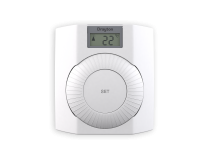
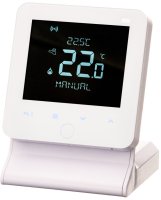
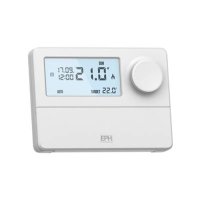
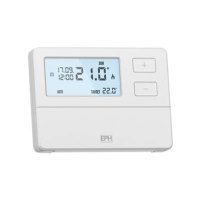
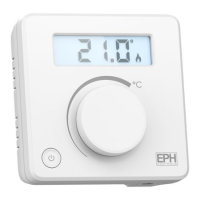
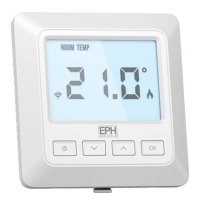
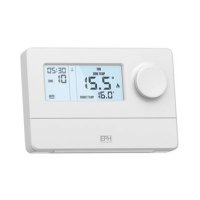
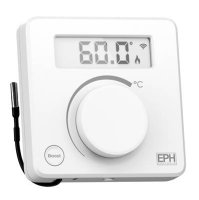
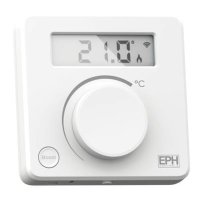
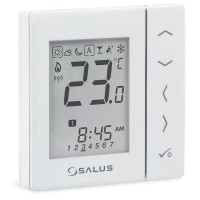
Programmable Thermostats allow users to set customised heating schedules, providing greater energy efficiency, comfort, and control by automatically adjusting temperatures based on time and usage patterns.

About Programmable Thermostats

Programmable thermostats enable users to schedule heating system operation at specific times of day, reducing energy waste and improving comfort. They are suitable for both domestic and commercial heating systems and can control central heating, underfloor heating, and hot water. Many models offer multiple daily or weekly programmes and advanced features such as optimisation modes that anticipate heating needs. They are available in digital or smart-enabled versions, providing easy adjustment and often featuring touch-screen or wireless interfaces.

See more

Benefits

  • Energy saving: Reduces heating costs by automatically lowering temperature during unoccupied periods.
  • Comfort control: Maintains optimal temperatures according to user preferences and routines.
  • Custom scheduling: Supports daily and weekly heating schedules.
  • Advanced optimisation: Some models learn heating patterns and pre-heat rooms at optimal times.
  • Compatible with various heating systems: Works with boilers, underfloor heating, and hot water systems.

Applications

  • Domestic heating systems for central heating and hot water.
  • Commercial buildings needing scheduled temperature control.
  • Energy-efficient refurbishments and new build installations.
  • Integration with smart home systems for remote adjustment.

Key Features

  • Multiple day/week scheduling options.
  • Digital or smart interface with easy programming.
  • Optimisation modes for improved efficiency.
  • Wireless or wall-mounted configurations.
  • Temperature hold and override functions.
  • Compatible with most heating control systems and boilers.

Performance & Maintenance

Install programmable thermostats according to manufacturer instructions and wiring regulations. Test schedules after configuration and periodically review settings to match seasonal requirements. Replace batteries when necessary and keep the device clean for accurate sensing. For smart-enabled models, ensure firmware is up-to-date and network connection is stable.