Isolating Valves

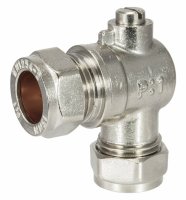
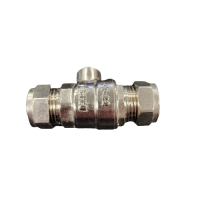
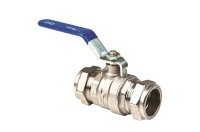
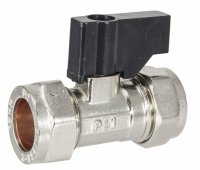
Isolating Valves are essential plumbing components used to control and shut off the flow of water, gas, or other fluids in domestic, commercial, and industrial systems, allowing safe maintenance and repair.

About Isolating Valves

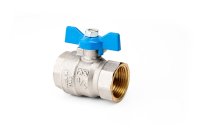
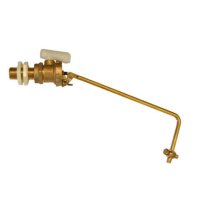
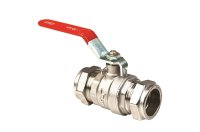
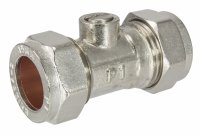
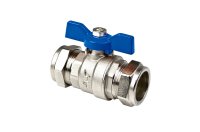
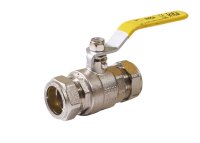
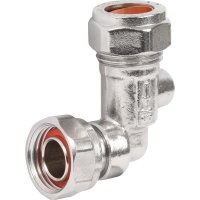
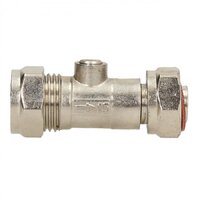
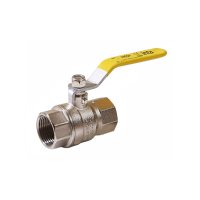
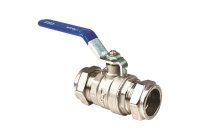
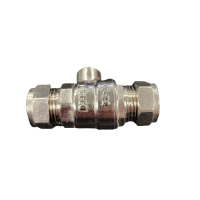
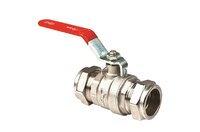
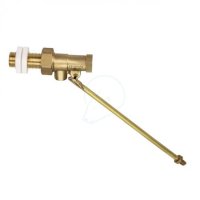
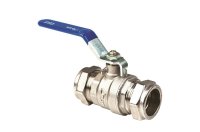
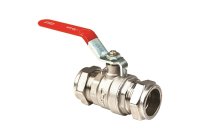
Isolating valves provide a convenient way to stop the flow of water or gas to a specific part of a system without affecting the entire network. They are commonly installed on pipework to allow maintenance, repairs, or emergency shut-off. Available in various types, including ball valves, gate valves, and stop valves, isolating valves are durable, reliable, and suitable for a wide range of applications.

They are typically made from high-quality brass, bronze, or stainless steel, ensuring long-term performance and resistance to corrosion.

See more

Benefits

  • Quick shut-off: Allows rapid isolation of pipework or appliances.
  • Reliable operation: Provides leak-proof performance over long service life.
  • Durable construction: Made from brass, bronze, or stainless steel for corrosion resistance.
  • Easy maintenance: Facilitates repairs or modifications without disrupting the entire system.
  • Versatile applications: Suitable for domestic, commercial, and industrial systems.

Applications

  • Domestic and commercial water supply systems.
  • Central heating and hot water installations.
  • Gas supply lines in residential and commercial buildings.
  • Industrial and process pipework requiring controlled isolation.
  • Appliance isolation for maintenance or emergency situations.

Key Features

  • Various types including ball valves, stop valves, and gate valves.
  • Threaded, compression, or soldered connection options.
  • High-quality, durable materials for long-lasting performance.
  • Compact design suitable for tight installation spaces.
  • Compliance with relevant industry standards for water and gas systems.
  • Easy operation with lever or wheel handle options.

Installation & Technical Info

Install isolating valves according to manufacturer instructions and local plumbing or gas regulations. Ensure proper alignment and secure connections using the appropriate method for the valve type. Test the valve after installation to verify leak-free operation.

Regular inspection and maintenance, including occasional operation to prevent seizing, will ensure long-term functionality.