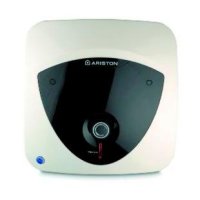
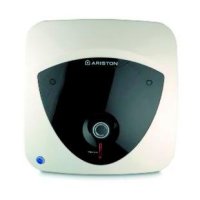
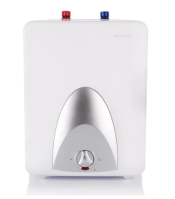
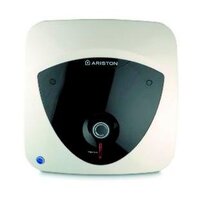
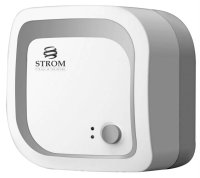
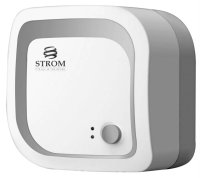
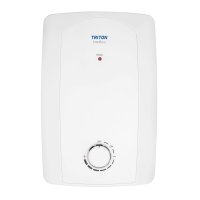
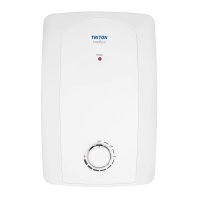
Electric Water Heaters

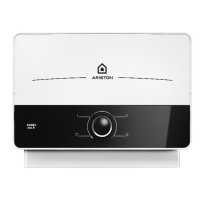
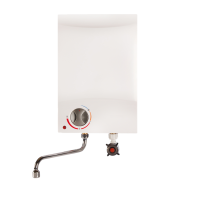
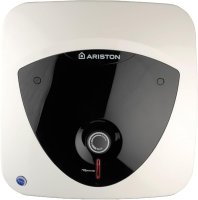
Electric Water Heaters provide reliable hot water for domestic, commercial, and industrial applications, delivering efficient heating and consistent performance for kitchens, bathrooms, and utility areas.

About Electric Water Heaters

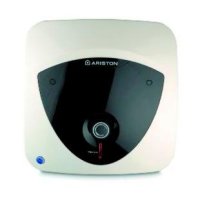
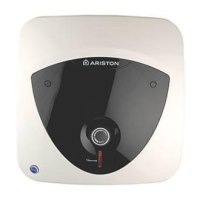
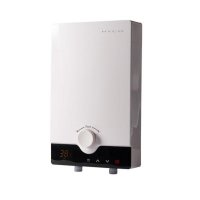
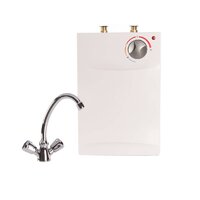
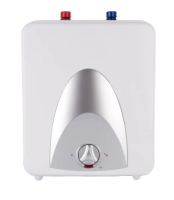
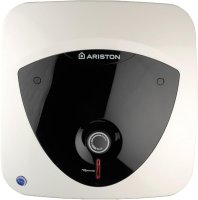
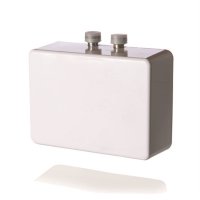
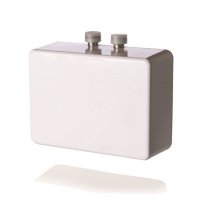
Electric Water Heaters are designed to heat water using electricity, offering instant or stored hot water solutions depending on the model. Available in various capacities, including under-sink, small point-of-use units, and larger storage tanks, these heaters are suitable for homes, offices, and commercial environments. They are energy-efficient, easy to install, and compliant with safety and building regulations, providing a convenient and reliable source of hot water wherever it is needed.

See more

Benefits

  • Reliable hot water: Provides consistent heating for kitchens, bathrooms, and utility areas.
  • Energy-efficient: Designed to minimise heat loss and reduce running costs.
  • Compact or large capacity: Options available to suit point-of-use or full-house requirements.
  • Safe and hygienic: Built-in safety features maintain water quality and prevent accidents.
  • Easy installation: Compatible with standard plumbing and electrical systems.

Applications

  • Domestic kitchens, bathrooms, and utility rooms.
  • Commercial kitchens, cafés, and catering facilities.
  • Office and staff kitchenettes.
  • Hospitality and healthcare environments.
  • New builds, renovations, and retrofits requiring reliable hot water solutions.

Key Features

  • Instant or storage electric water heaters for point-of-use or whole-system applications.
  • High-quality, corrosion-resistant materials.
  • Temperature control and safety features such as thermostats and pressure relief valves.
  • Energy-efficient design to reduce operational costs.
  • Variety of capacities to suit domestic, commercial, or industrial needs.
  • Compliant with water safety and building regulations.

Performance & Maintenance

Install Electric Water Heaters according to manufacturer instructions, ensuring correct plumbing and electrical connections. Regularly inspect for leaks, corrosion, and sediment buildup. Periodically check thermostats, pressure relief valves, and heating elements. Routine maintenance ensures reliable performance, energy efficiency, and a continuous supply of safe, hot water.