Carbon Monoxide and Smoke Alarms

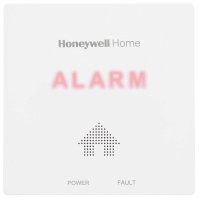
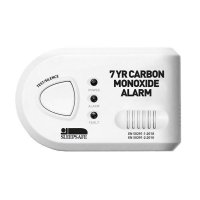
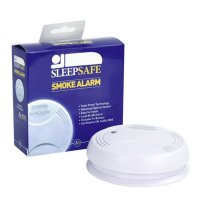
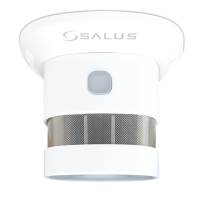
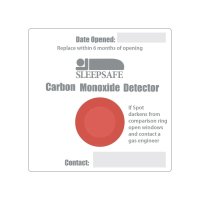
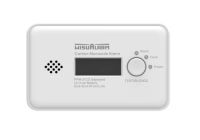
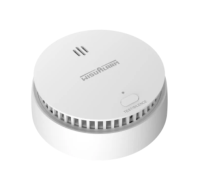
Carbon Monoxide and Smoke Alarms are essential safety devices designed to detect harmful gases and smoke, providing early warning to protect lives and property in domestic and commercial settings.

About Carbon Monoxide and Smoke Alarms

Carbon Monoxide (CO) and Smoke Alarms provide reliable monitoring for hazardous gases and fire. They alert occupants to the presence of carbon monoxide, smoke, or fire, allowing timely evacuation and response. Suitable for homes, offices, and commercial buildings, these alarms are an essential part of any safety and compliance strategy, meeting current regulations and safety standards.

See more

Benefits

  • Early warning: Detects smoke or carbon monoxide before levels become dangerous.
  • Protects lives: Provides critical alerts to prevent injury or fatalities.
  • Regulatory compliance: Meets UK and international fire and CO safety standards.
  • Reliable and durable: High-quality sensors for consistent performance.
  • Easy installation: Simple to mount and maintain in domestic and commercial spaces.

Applications

  • Homes, flats, and apartments to detect smoke and carbon monoxide.
  • Commercial buildings including offices, schools, and retail spaces.
  • Integration with heating appliances such as boilers, gas cookers, and fireplaces.
  • New builds and retrofit projects requiring compliant life safety devices.
  • Situations where early detection of fire or carbon monoxide is critical.

Key Features

  • High-sensitivity sensors for smoke and carbon monoxide detection.
  • Audible alarms with loud sirens to alert occupants quickly.
  • Battery or mains-powered options with backup for reliability.
  • Durable housing for long-term performance.
  • Test and silence buttons for easy maintenance.
  • Compliance with BS EN 50291 and BS EN 14604 standards.

Performance & Maintenance

Install Carbon Monoxide and Smoke Alarms according to manufacturer guidelines and relevant safety regulations. Test alarms regularly and replace batteries as required. Replace devices at the end of their service life. Proper installation and maintenance ensure early detection, life safety, and compliance with building regulations.