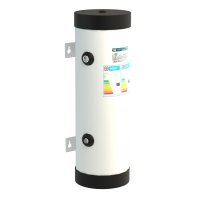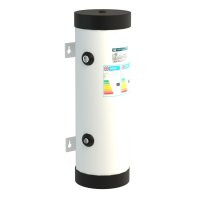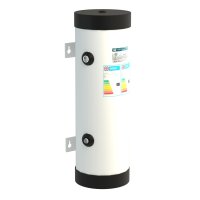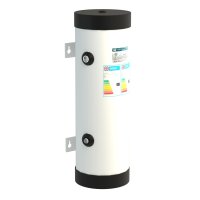
Heat Pump Cylinders & Buffer Vessels

Heat Pump Cylinders & Buffer Vessels are essential components for efficient heat pump and heating system operation, designed to store hot water, regulate flow, and optimize energy performance.

About Heat Pump Cylinders & Buffer Vessels

Heat Pump Cylinders & Buffer Vessels provide reliable storage and thermal management for domestic and commercial heating systems. They maintain consistent water temperature, reduce pump cycling, and improve overall system efficiency. Suitable for a wide range of heating applications, these vessels are designed to integrate seamlessly with heat pumps, boilers, and other HVAC equipment, ensuring long-lasting and compliant operation.

See more

Benefits

  • Energy efficient: Optimizes heat pump operation and reduces energy consumption.
  • Consistent hot water: Provides reliable temperature for domestic or commercial use.
  • Reduces pump cycling: Extends the life of heat pumps and boilers.
  • Durable construction: Designed for long-lasting performance under varied conditions.
  • Compatible: Works with a range of heat pumps, boilers, and heating systems.

Applications

  • Domestic and commercial hot water storage with heat pump systems.
  • Buffering for heating systems to stabilize flow and pressure.
  • Integration with boilers and hybrid systems for efficient thermal management.
  • New builds requiring compliant, high-performance hot water and heating solutions.
  • Retrofit projects upgrading or expanding existing heating systems.

Key Features

  • High-quality materials for corrosion resistance and durability.
  • Variety of sizes and capacities to suit different system requirements.
  • Designed for easy connection to heat pumps, boilers, and pipework.
  • Insulated to reduce heat loss and improve energy efficiency.
  • Compliant with building and safety regulations.
  • Low-maintenance, long-lasting performance.

Performance & Maintenance

Install Heat Pump Cylinders & Buffer Vessels according to manufacturer guidelines, ensuring correct connections and insulation. Regularly inspect for leaks, corrosion, or pressure issues, and maintain according to system requirements. Proper maintenance ensures o