Rainwater Fittings

Rainwater Fittings are essential components used to connect, direct, and manage rainwater within guttering and drainage systems. They ensure efficient water flow from roofs to downpipes, helping to prevent leaks, flooding, and water damage to buildings.

About Rainwater Fittings

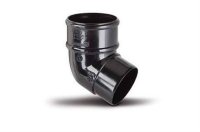
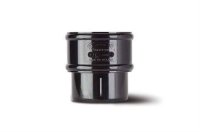
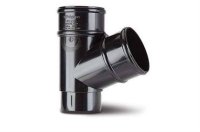
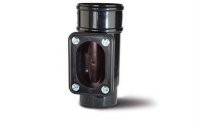
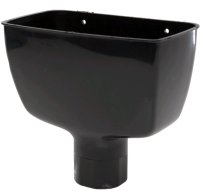
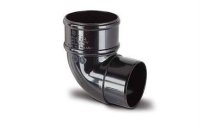
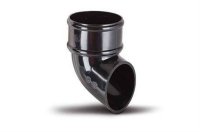
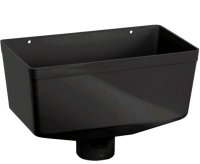
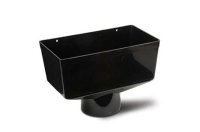
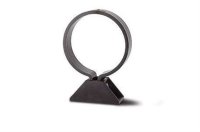
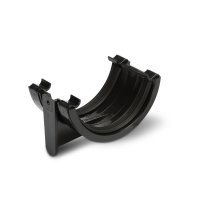
Rainwater fittings include a range of components such as elbows, joints, outlets, hoppers, brackets, and end caps. These fittings allow gutters to change direction, connect securely to downpipes, and integrate with other drainage systems. Manufactured from durable materials like PVC, aluminum, or galvanized steel, rainwater fittings are designed to resist weathering, UV exposure, and corrosion while maintaining a reliable, watertight system.

See more

Benefits

  • Efficient water management: Ensures rainwater flows safely from gutters to drainage points.
  • Prevents leaks: Creates secure, watertight connections between gutter sections.
  • Durable and long-lasting: Resistant to corrosion, UV damage, and extreme weather conditions.
  • Flexible installation: Suitable for various roof types and gutter profiles.
  • Professional finish: Helps create a neat and organized guttering system.

Applications

  • Domestic and commercial guttering systems.
  • Directing rainwater to downpipes, drainage channels, or soakaways.
  • Integration with rainwater harvesting systems.
  • Replacement of damaged or worn-out gutter components.
  • New builds and refurbishment projects requiring reliable rainwater management.

Key Features

  • Includes elbows, joints, outlets, hoppers, brackets, and end caps.
  • Manufactured from PVC, aluminum, or galvanized steel for durability.
  • Designed to resist corrosion, UV exposure, and extreme weather.
  • Compatible with a wide range of gutter profiles and sizes.
  • Easy to install using push-fit, screw-fit, or clip systems.

Usage & Technical Info

Choose rainwater fittings according to gutter type, pipe diameter, and roof layout. Ensure fittings are properly aligned and securely fixed to maintain efficient water flow. Regularly inspect for leaks, damage, or blockages, and replace as needed. Always follow manufacturer guidelines and local building regulations to ensure safe, effective, and long-lasting rainwater management.