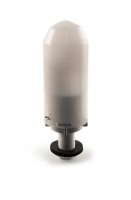
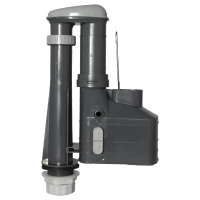
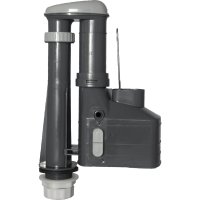
Syphons

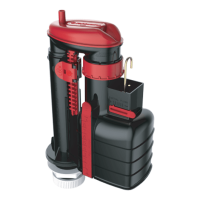
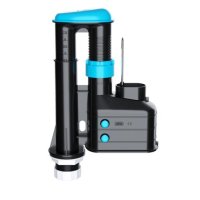
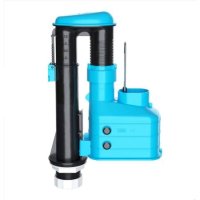
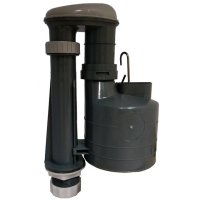
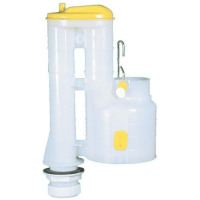
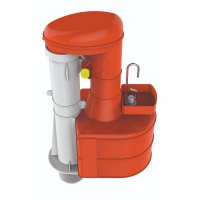
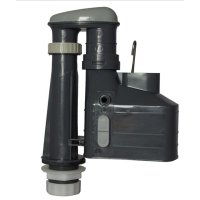
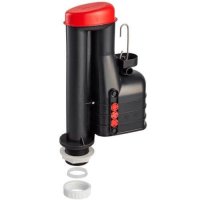
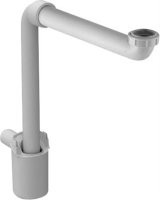
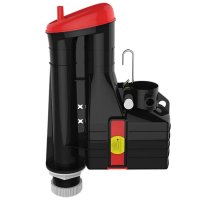
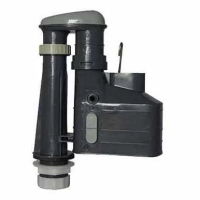
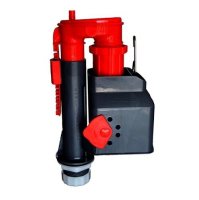
Syphons are mechanisms installed inside toilet cisterns to control water release during flushing, providing reliable and efficient flush performance by drawing water through the cistern and into the toilet pan using syphonic action.

About Syphons

Syphons are key flushing components designed to ensure a powerful and efficient flush while preventing leaks. Unlike flush valves, syphons require the user to lift a mechanism to start the flush, maintaining water within the cistern until syphon action begins. Widely used in high-level and traditional cisterns, syphons are valued for their reliability and water efficiency. Available in adjustable and fixed-height versions, they help ensure long-term functionality in both commercial and domestic toilet systems.

See more

Benefits

  • Reliable flushing: Consistent and powerful flush performance using syphonic technology.
  • Leak prevention: No standing water allowed to escape unless flush is activated.
  • Water efficient: Helps control flush volume in compatible systems.
  • Durable construction: Designed to withstand repeated use over many years.
  • Low maintenance: Simple internal component replacement when needed.

Applications

  • Traditional high-level toilet cisterns.
  • Low-level and concealed cistern systems.
  • Retrofit or replacement projects.
  • Commercial washrooms and domestic bathrooms.
  • Installations requiring reliable leak-free flushing mechanisms.

Key Features

  • Available in fixed or adjustable height options.
  • Constructed from robust plastic or specialised water-resistant materials.
  • Compatible with single and dual flushing systems.
  • Manual activation via flush lever or button adapter.
  • Can include serviceable components (e.g. removable diaphragm).
  • Designed for long-term performance with minimal sealing requirements.

Installation & Maintenance

Install syphons according to the cistern manufacturer’s specifications, ensuring the height matches the water level requirements. Check that the flush lever or actuation mechanism is correctly aligned. For maintenance, replace diaphragm or internal components if flush action weakens over time. Inspect periodically for scale buildup and ensure all seals and fittings remain secure.