Heating

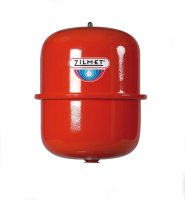
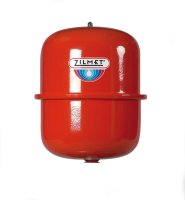
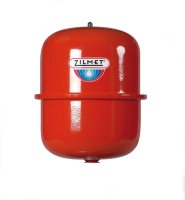
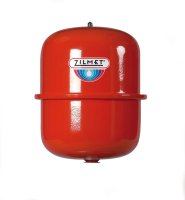
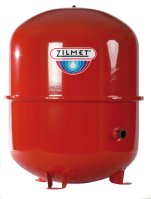
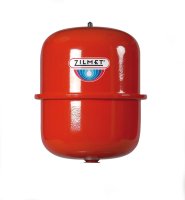
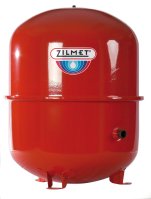
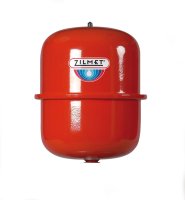
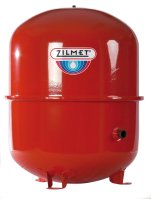
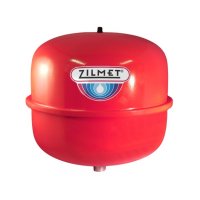
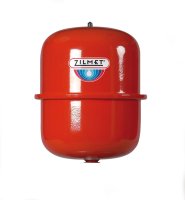
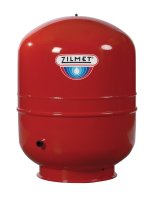
Heating Expansion Vessels for Cylinders are vital components designed to maintain safe pressure levels within sealed heating and hot water systems. These vessels absorb the natural expansion of water as it heats up, preventing pressure fluctuations and protecting system components from damage. They are commonly used alongside boilers, unvented cylinders, and central heating systems.

About Heating Expansion Vessels

Heating Expansion Vessels feature a sealed chamber divided by a flexible rubber diaphragm or bladder. One side holds water from the heating system, while the other side contains compressed air or nitrogen. As water heats and expands, the diaphragm flexes to absorb increased volume, ensuring stable pressure and preventing over-pressurisation. These vessels are available in various sizes and configurations to suit both domestic and commercial systems.

See more

Benefits

  • Pressure stability: Prevents dangerous pressure spikes in sealed systems.
  • System protection: Reduces strain on pumps, valves, and joints, extending system life.
  • Improved efficiency: Ensures consistent heating performance and energy efficiency.
  • Low maintenance: Simple design requiring minimal upkeep.
  • Versatile use: Suitable for a wide range of heating and cylinder applications.

Applications

  • Sealed central heating systems.
  • Unvented hot water cylinders.
  • Domestic and commercial boiler systems.
  • Renewable energy heating setups, including solar or heat pump systems.

Key Features

  • Manufactured from high-grade steel with corrosion-resistant coating.
  • Flexible diaphragm or bladder to accommodate water expansion.
  • Pre-charged with air or nitrogen for pressure balance.
  • Available in wall-mounted and floor-standing models.
  • Complies with EN 13831 and UK Building Regulations.

Performance & Maintenance

Heating Expansion Vessels require regular pressure checks to maintain optimal performance. Over time, air pressure may need to be topped up to ensure proper function. With correct installation and maintenance, these vessels provide long-term pressure management and system protection.