Mini Shock Arrestors

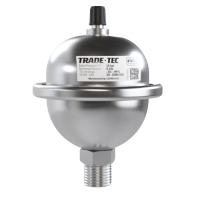
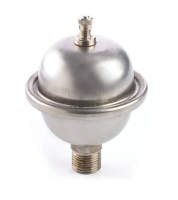
Mini Shock Arrestors for Cylinders are compact devices designed to protect sealed hot water and heating systems from pressure surges and water hammer caused by rapid changes in flow. These small but essential units prevent system damage, reduce noise, and extend the lifespan of boilers, valves, and pipework in domestic and commercial heating installations

About Mini Shock Arrestors

Mini Shock Arrestors absorb sudden pressure spikes within unvented cylinders and sealed heating systems. They typically contain a compressed air or nitrogen chamber separated from the system water by a flexible diaphragm. When a surge occurs, the diaphragm flexes to absorb the impact, preventing stress on the heating system components. Their compact design allows easy installation in tight spaces, making them ideal for modern heating systems.

See more

Benefits

  • Protects system components: Reduces strain on valves, pumps, and pipework caused by pressure surges.
  • Reduces noise: Minimizes water hammer and other system noises.
  • Compact and versatile: Ideal for installations with limited space.
  • Durable performance: Maintains effectiveness over long-term use with minimal maintenance.
  • Improved system reliability: Prevents sudden damage and maintains smooth operation.

Applications

  • Unvented hot water cylinders.
  • Sealed central heating systems.
  • Domestic and light commercial boiler installations.
  • Any system prone to water hammer or sudden pressure fluctuations.

Key Features

  • Compact, wall-mountable design for easy installation.
  • Flexible diaphragm to absorb pressure surges.
  • Compatible with standard unvented and sealed heating systems.
  • High-quality materials for long-term durability and corrosion resistance.
  • Reduces maintenance needs and prolongs system life.

Performance & Maintenance

Mini Shock Arrestors require minimal maintenance but should be checked periodically to ensure the diaphragm and air charge remain functional. Correctly installed, they provide reliable protection against water hammer and pressure surges, maintaining system efficiency and safety.