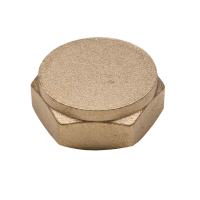
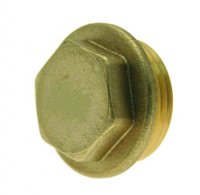
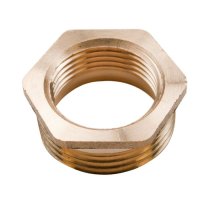
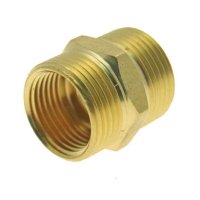
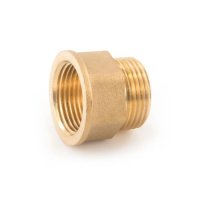
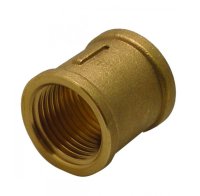
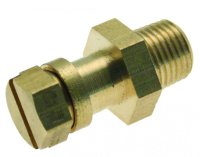
Screwed Brass

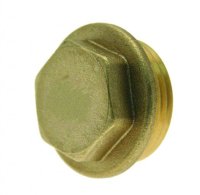
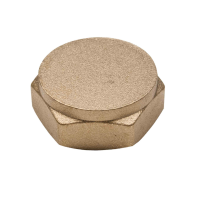
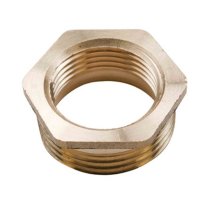
Screwed Brass fittings are threaded plumbing components made from high-quality brass, used to connect, redirect, or control the flow of fluids in both domestic and commercial installation systems.

About Screwed Brass

Screwed brass fittings are designed with threaded connections, allowing them to be easily installed or removed without soldering or compression. They are widely used in water, heating, gas, and oil systems due to their durability, resistance to corrosion, and ability to provide a secure, pressure-resistant joint.

These fittings are ideal where maintenance or frequent disassembly is required. Available in various types including elbows, tees, couplings, nipples, and adaptors in both male and female threaded options.

See more

Benefits

  • No soldering required: Simple installation using threaded connections.
  • Highly durable: Made from quality brass resistant to wear and corrosion.
  • Reusable and adjustable: Can be reassembled multiple times if required.
  • Strong pressure resistance: Suitable for high-pressure pipe systems.
  • Versatile applications: Suitable for heating, plumbing, gas, and industrial use.

Applications

  • Water supply and distribution systems.
  • Heating and boiler connections.
  • Oil and gas line installations (where permitted).
  • Hydraulic and pneumatic systems.
  • Commercial and industrial pipework.
  • Maintenance, repair, and system adjustments.

Key Features

  • Manufactured from high-grade brass.
  • Male and female threaded options available.
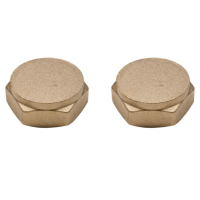
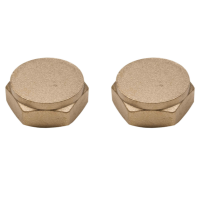
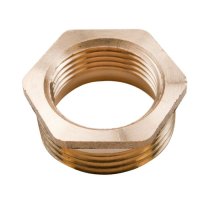
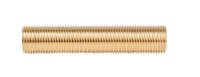
  • Types include: elbows, tees, connectors, bushes, nipples, caps, and plugs.
  • Available in BSP thread sizes (e.g., ⅜”, ½”, ¾”, 1”, 1¼”, 1½”, 2”).
  • Suitable for hot and cold systems.
  • Can be used with sealing compounds, PTFE tape, or jointing paste (as required).

Installation & Technical Info

Ensure threads are clean and undamaged before assembling. Use PTFE tape or approved thread sealant for a watertight finish. Hand-tighten first, then secure using a suitable wrench—avoid over-tightening to prevent thread damage.

Always check compatibility with system pressure and temperature specifications. Testing should be carried out after installation to secure joint integrity.