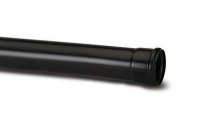
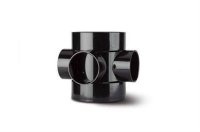
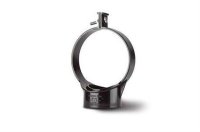
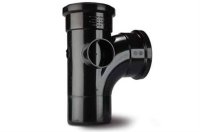
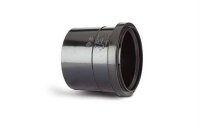
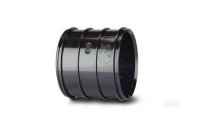
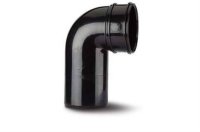
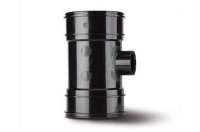
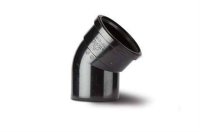
Soil Pipes & Fittings

Soil Pipes & Fittings are essential components in plumbing systems, designed to safely transport waste and rainwater from toilets, sinks, and other appliances to the drainage system. They provide a reliable, leak-free solution for domestic and commercial applications.

About Soil Pipes & Fittings

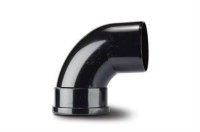
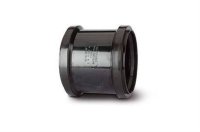
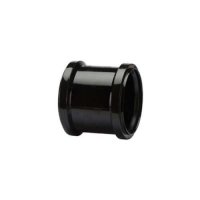
Soil pipes and fittings are typically made from durable materials such as PVC, uPVC, or cast iron, offering long-lasting performance and resistance to corrosion. They come in a wide variety of shapes and sizes, including straight lengths, elbows, junctions, and connectors, to accommodate different plumbing layouts. These components ensure proper flow and ventilation in drainage systems while maintaining hygienic and safe conditions.

See more

Benefits

  • Reliable waste management: Ensures safe and hygienic transport of wastewater and rainwater.
  • Durable materials: Long-lasting performance resistant to corrosion and chemical damage.
  • Versatile installation: Wide range of fittings for various plumbing layouts and angles.
  • Leak-proof connections: Seals and joints designed for secure, watertight installation.
  • Compliance: Meets industry standards for domestic and commercial drainage systems.

Applications

  • Domestic and commercial toilet and bathroom installations.
  • Kitchen and utility drainage systems.
  • Rainwater drainage from roofs and gutters.
  • Ventilation and soil stack connections in plumbing systems.
  • Replacement or renovation of existing soil pipe networks.

Key Features

  • Available in various diameters and lengths to suit all common installations.
  • Range of fittings including elbows, junctions, reducers, connectors, and access points.
  • Materials include PVC, uPVC, and cast iron for durability and strength.
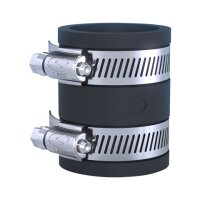
  • Designed to connect securely with gaskets, solvent cement, or mechanical joints.
  • Suitable for both above-ground and underground applications.

Usage & Technical Info

Before installation, ensure pipe ends and fittings are clean and free from debris. Use appropriate joining methods (e.g., solvent welding, rubber gaskets, or mechanical couplings) as specified by the manufacturer. Check alignment and slope for proper drainage and ventilation. Always adhere to local plumbing codes and standards to ensure a safe and effective installation.