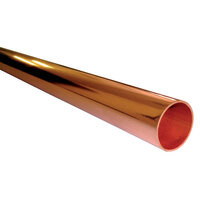
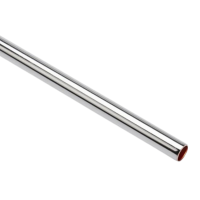
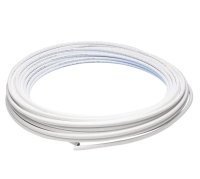
Copper Tubes

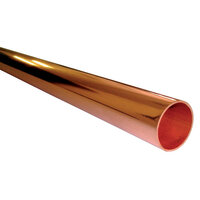
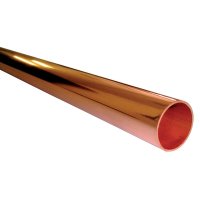
Copper Tubes are durable, corrosion-resistant pipes used extensively in plumbing, heating, gas, and refrigeration systems due to their reliability, conductivity, and compliance with safety standards.

About Copper Tubes

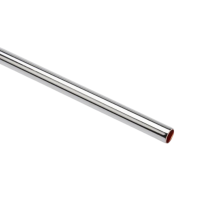
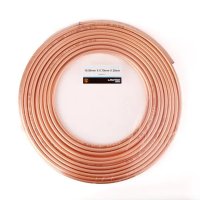
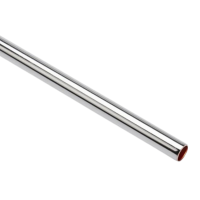
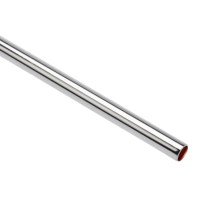
Copper tubes are widely used in residential, commercial, and industrial installations for water supply, heating systems, gas distribution, and HVAC applications. Known for their longevity and excellent thermal conductivity, copper tubes can withstand high pressure and temperature variations. They are available in various sizes, wall thicknesses, and types (e.g., straight lengths or coils), and are suitable for soldering, brazing, or press fitting depending on the system requirements.

See more

Benefits

  • Highly durable: Resistant to corrosion, pressure, and high temperatures.
  • Versatile: Suitable for water, gas, heating, and HVAC systems.
  • Excellent thermal conductivity: Ideal for heating and cooling applications.
  • Safe and hygienic: Naturally antimicrobial and compliant with water regulations.
  • Long service life: Low maintenance and reliable over decades.

Applications

  • Domestic and commercial water supply pipework.
  • Central heating systems and radiator connections.
  • Gas installation (subject to local regulations).
  • Air conditioning, refrigeration, and heat pump systems.
  • Solar thermal and renewable energy systems.

Key Features

  • Available in straight lengths or coils.
  • Different wall thicknesses (e.g., Type K, L, or M depending on local standards).
  • Suitable for soldering, brazing, press fit, or compression fittings.
  • High thermal and electrical conductivity.
  • Compliant with relevant BS, EN, and WRAS standards.
  • Compatible with both traditional and modern plumbing systems.

Installation & Maintenance

Cut pipes using appropriate tools and ensure clean, burr-free edges before joining. Follow manufacturer guidelines for welding, soldering, brazing, or pressing. Always test the system for leaks after assembly. Copper pipes require minimal maintenance but should be checked periodically for physical damage or insulation integrity in exposed environments.