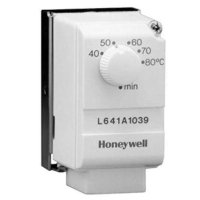
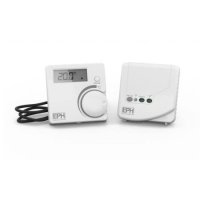
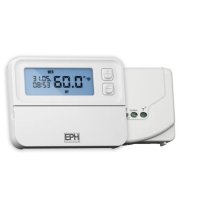
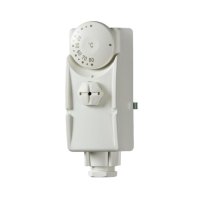
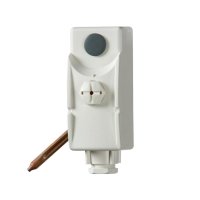
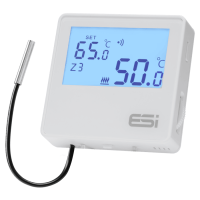
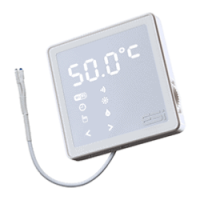
Cylinder Thermostat

Cylinder Thermostat is a device designed to control the temperature of hot water cylinders, ensuring optimal heating performance, energy efficiency, and safety in domestic and commercial hot water systems.

About Cylinder Thermostat

Cylinder thermostats monitor and regulate the water temperature in hot water cylinders, preventing overheating and maintaining a consistent supply of hot water. They are compatible with electric immersion heaters, combi boilers, and system boilers. By controlling the cylinder’s heating element or valve, these thermostats help reduce energy consumption, improve system efficiency, and enhance user comfort.

See more

Benefits

  • Temperature control: Maintains water at the desired temperature for safety and comfort.
  • Energy efficiency: Reduces unnecessary heating and lowers energy bills.
  • Overheat protection: Prevents damage to cylinders and heating systems.
  • Compatibility: Works with electric immersion heaters, combi boilers, and system boilers.
  • Durable and reliable: Provides long-term performance in domestic and commercial hot water systems.

Applications

  • Domestic hot water cylinders in homes and apartments.
  • Commercial water heating systems in offices, hotels, and public buildings.
  • New build or refurbishment projects requiring temperature-controlled hot water.
  • Integration with immersion heaters, boilers, and thermostatic valves for complete hot water management.

Key Features

  • Accurate temperature sensing and control for hot water cylinders.
  • Easy-to-set temperature adjustment.
  • Overheat protection for safety and system longevity.
  • Compatible with various cylinder types and heating systems.
  • Durable and corrosion-resistant materials for long-term reliability.
  • Simple installation and maintenance for domestic and commercial use.

Performance & Maintenance

Install cylinder thermostats according to manufacturer instructions, ensuring proper connection to the heating system. Regularly inspect for accurate temperature readings and check electrical connections. Clean surfaces gently and replace faulty units immediately to maintain safety, efficiency, and reliable hot water performance.