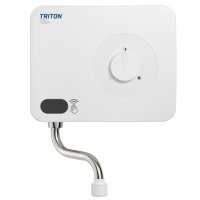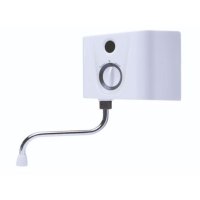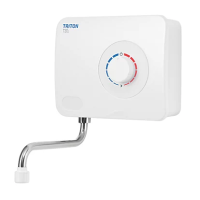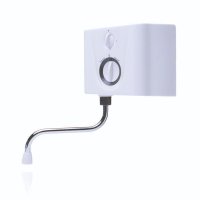
Handwash Units

Handwash Units provide hygienic and convenient washing solutions for domestic, commercial, and public wash areas, combining easy access to water with space-saving designs.

About Handwash Units

Handwash Units are designed to provide a reliable and sanitary water source for handwashing in kitchens, bathrooms, offices, and public facilities. Available as wall-mounted, countertop, or integrated sink units, they often include taps, basins, and splash guards for complete functionality. Many models are compatible with point-of-use water heaters or cold water connections, ensuring compliance with hygiene standards and convenience for frequent use.

See more

Benefits

  • Hygienic design: Minimises contamination risk and promotes regular handwashing.
  • Space-saving: Compact units suitable for small or high-traffic areas.
  • Easy to use: Simple taps and basin layouts for quick access.
  • Durable materials: Long-lasting construction suitable for frequent use.
  • Compliance: Meets hygiene and water safety standards for public and commercial spaces.

Applications

  • Domestic kitchens and utility rooms.
  • Commercial kitchens, food preparation areas, and offices.
  • Healthcare, educational, and public washrooms.
  • Hospitality facilities such as cafés, hotels, and restaurants.
  • New builds, refurbishments, and retrofits requiring hand hygiene solutions.

Key Features

  • Wall-mounted or countertop units with integrated basins.
  • Standard taps, mixer taps, or sensor-operated options.
  • Durable, easy-to-clean materials such as stainless steel or plastics.
  • Optional splash guards, soap dispensers, and drainage solutions.
  • Compact designs for confined spaces or high-traffic areas.
  • Compliance with hygiene, water safety, and building regulations.

Performance & Maintenance

Install Handwash Units according to manufacturer instructions, ensuring secure connections to water supply and drainage. Regularly clean basins, taps, and surfaces to maintain hygiene. Inspect for leaks, blockages, or wear and replace components as needed. Routine maintenance ensures efficient operation, hygienic conditions, and compliance with hygiene and plumbing standards.