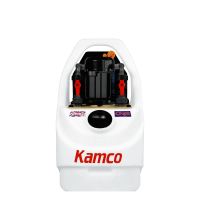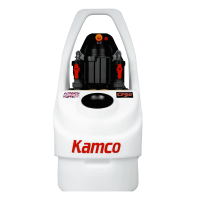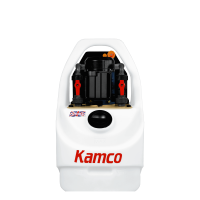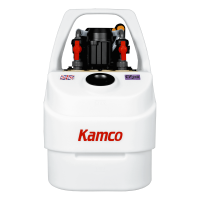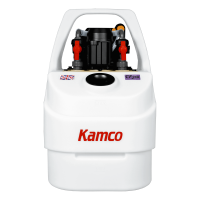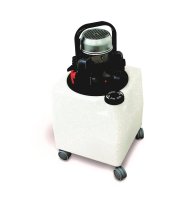
Power Flushing Pumps

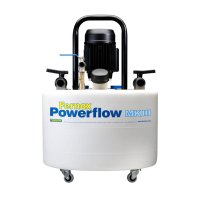
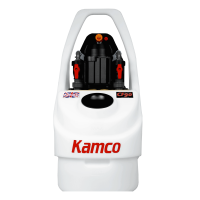
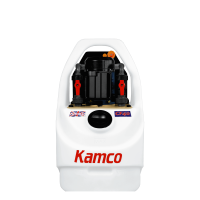
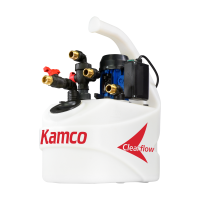
Power Flushing Pumps are professional-grade pumps used to clean central heating systems by circulating water and cleaning chemicals at high speed. They remove sludge, rust, and debris from boilers, radiators, and pipework, restoring system efficiency and ensuring reliable heating performance.

About Power Flushing Pumps

Power flushing pumps are designed for use with both sealed and open-vented central heating systems. They deliver high flow rates and pressure, dislodging deposits that reduce efficiency and cause uneven heating. These pumps are an essential tool for heating engineers performing system maintenance, upgrades, or boiler replacements, helping to extend system life and improve energy efficiency.

See more

Benefits

  • Efficient cleaning: Circulates water and chemicals at high velocity to remove sludge and debris.
  • Restores heating performance: Ensures radiators heat evenly and boilers operate efficiently.
  • Prolongs system lifespan: Reduces wear on pumps, boilers, and pipework.
  • Reduces energy costs: Cleaner systems require less energy to heat.
  • Professional results: Delivers reliable and thorough system maintenance.

Applications

  • Domestic and commercial central heating systems maintenance.
  • Cleaning older or neglected systems suffering from sludge and rust accumulation.
  • Preparing systems for boiler replacements or upgrades.
  • Periodic maintenance to improve efficiency and prevent breakdowns.
  • Flushing radiators, pipework, and boilers in professional heating services.

Key Features

  • High-velocity pump for effective circulation of water and chemicals.
  • Compatible with sealed and open-vented heating systems.
  • Robust construction suitable for repeated professional use.
  • Adjustable flow and pressure settings to suit different system types.
  • Portable design for easy connection and operation on site.

Usage & Technical Info

Power flushing pumps should be operated by trained heating engineers. Connect the pump securely to the system using appropriate hoses and fittings. Circulate cleaning chemicals until water runs clear, then flush and refill with inhibitor-treated water. Test the system for leaks, pressure, and performance. Follow all manufacturer instructions, safety guidelines, and local regulations to ensure safe and effective power flushing.