Pipe Thermostat

Pipe Thermostat is a temperature control device designed to monitor and regulate the temperature of water pipes in heating systems, ensuring efficient operation and protecting components from overheating or freezing.

About Pipe Thermostat

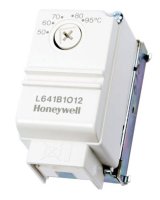
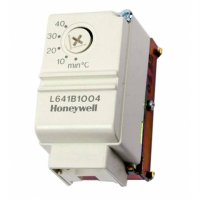
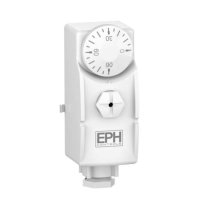
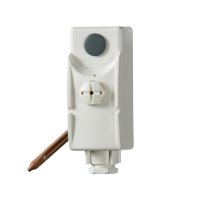
Pipe thermostats are fitted directly onto flow or return pipes within heating systems. They detect the pipe surface temperature and activate or deactivate heating equipment such as pumps or boilers accordingly. These thermostats are commonly used in domestic and commercial heating systems, particularly in frost protection circuits and hot water control. They help maintain consistent system performance, improve energy efficiency and provide safety against freezing or overheating.

See more

Benefits

  • Temperature monitoring: Accurately detects pipe temperature to regulate heating operation.
  • Freeze protection: Helps prevent burst pipes in cold conditions.
  • Energy efficiency: Ensures heating is only used when required, reducing energy consumption.
  • System optimisation: Improves performance of pumps and boilers.
  • Simple installation: Easily mounted directly onto heating pipes.

Applications

  • Domestic central heating and hot water systems.
  • Commercial heating circuits requiring temperature-based pipe control.
  • Frost protection systems and heated pipe installations.
  • Control of circulation pumps or boilers based on pipe temperature.

Key Features

  • Surface-mounted thermostat design.
  • Adjustable temperature settings.
  • Compatible with boilers, pumps, and control circuits.
  • Available in mechanical or electronic versions.
  • Durable construction with insulation-friendly housing.
  • Quick installation with spring, strap, or clip-on mounting.

Performance & Maintenance

Install pipe thermostats in accordance with manufacturer guidelines, ensuring firm and accurate contact with the pipe surface. Periodically check temperature settings and inspect for signs of wear or poor connection. Replace damaged thermostats promptly to maintain system efficiency and safety. Keep clean and free from dust to ensure accurate thermal readings.