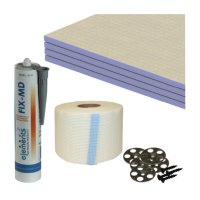
Bathroom Waterproofing

Bathroom Waterproofing for Wet Rooms refers to the specialised systems and materials used to create fully watertight bathroom spaces. These products are essential for wet rooms and walk-in showers, where direct water exposure demands high-performance membranes and sealants to prevent leaks and structural damage.

About Bathroom Waterproofing for Wet Rooms

Waterproofing for wet rooms involves using liquid-applied membranes, sheet membranes, tanking kits, and sealing tapes to form a barrier on floors and walls. This barrier prevents water-ingress into the building fabric, protects against moisture and mould, and supports durable finishes like tile or natural stone. Proper substrate preparation, joint treatment, and compatible adhesives are also critical for long-term performance.

See more

Benefits

  • Leak prevention: Ensures water stays within the wet zone and avoids damage to structure.
  • Durable protection: Maintains integrity of floors and walls under continuous use.
  • Health & safety: Minimises risk of mould, mildew, and damp-related issues.
  • Versatile usage: Suitable for solid and timber substrates, new builds and refurbishments.
  • Design freedom: Allows for seamless, open-plan wet rooms with tile or stone finishes.

Applications

  • Complete wet-room installations (residential or commercial).
  • Walk-in shower areas with level access.
  • Bathrooms requiring full tanking prior to tiling.
  • Retrofits where existing showers are being transformed into wet rooms.

Key Features

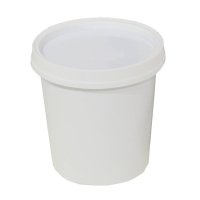
  • Liquid-applied cementitious or polymer membranes providing flexible waterproofing.
  • Self-adhesive sheet membranes or foil membrane systems for swift coverage.
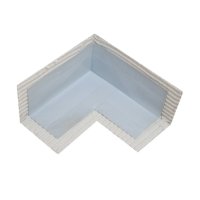
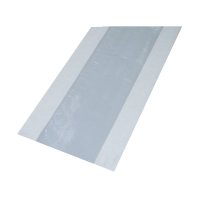
  • Preformed sealing tapes, corner pieces, and pipe penetration collars for critical joints.
  • Compatible with tile adhesives, grouts, and movement joints to form a complete system.
  • Certification and system warranties to support performance and insurance compliance.

Performance & Maintenance

To ensure ongoing performance, waterproofing systems must be installed correctly: surface primed, joints sealed, membranes applied in full coverage and tested for leaks. Regular visual inspections of tile-grout joints and drainage help maintain integrity. Mistakes in tanking can lead to costly damage and undermine warranty cover.