Anti-freeze Valves

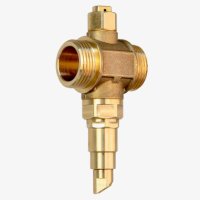
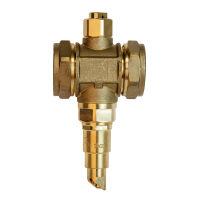
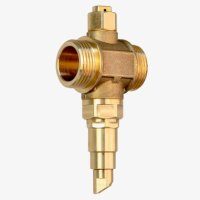
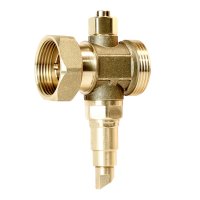
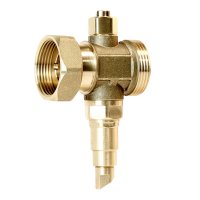
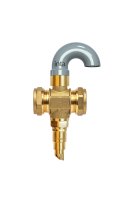
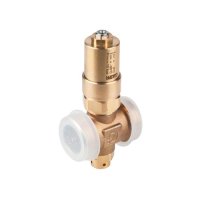
Anti-freeze Valves are safety components designed to protect heating and hot water systems from damage caused by freezing temperatures, ensuring continuous operation in cold conditions.

About Anti-freeze Valves

Anti-freeze valves automatically release or recirculate water in a heating system to prevent freezing when temperatures drop below a set threshold. They are commonly used in domestic and commercial heating systems, including those with heat pumps, boilers, or solar thermal systems. By maintaining flow and preventing ice formation, anti-freeze valves safeguard pipes, cylinders, and pumps from potential damage caused by freezing water.

See more

Benefits

  • Freeze protection: Prevents pipework and components from bursting during cold weather.
  • Reliable operation: Maintains system function even in low-temperature environments.
  • Minimal maintenance: Simple and automatic operation reduces the need for manual intervention.
  • Versatile: Compatible with boilers, heat pumps, and solar thermal systems.
  • Peace of mind: Reduces risk of costly damage from frozen water in heating systems.

Applications

  • Domestic heating and hot water systems exposed to cold climates.
  • Commercial properties where continuous heating is critical.
  • Heat pump and boiler systems requiring freeze protection.
  • Solar thermal installations with stored water cylinders.
  • Systems in unheated spaces such as lofts, basements, or plant rooms.

Key Features

  • Automatic activation at preset low temperatures.
  • Compact, easy-to-install design.
  • Durable construction suitable for hot water and heating systems.
  • Works with standard pipe sizes and fittings.
  • Reduces risk of system downtime during freezing conditions.
  • Compatible with heat pumps, boilers, and combined heating systems.

Performance & Maintenance

Install anti-freeze valves according to manufacturer instructions, ensuring correct orientation and connection to the system. Periodically inspect for leaks, blockages, or mechanical wear. Test the valve function during colder months to confirm activation at the correct temperature. Replace or service any components showing signs of damage to maintain reliable freeze protection.