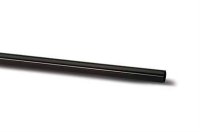
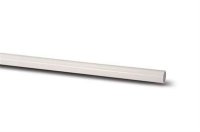
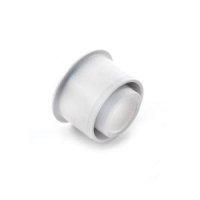
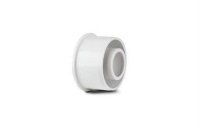
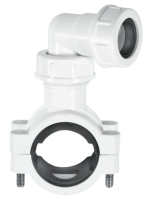
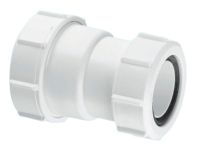
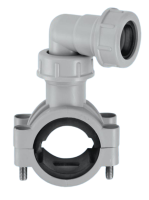
Waste & Overflow Pipes & Fittings

Waste & Overflow Pipes & Fittings are essential plumbing components that safely channel wastewater from sinks, baths, and basins to the drainage system while preventing overflows. They ensure a secure and efficient water path, maintaining hygiene and protecting against accidental flooding.

About Waste & Overflow Pipes & Fittings

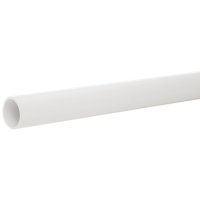
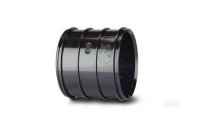
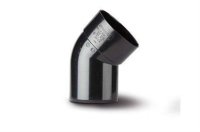
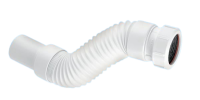
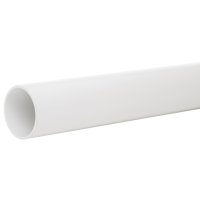
Waste and overflow pipes and fittings are typically made from durable materials such as PVC, uPVC, or chrome-plated metal. They include straight pipes, bends, junctions, and flexible connectors, designed to accommodate standard sinks, basins, and baths. The integrated overflow system ensures that excess water is safely diverted away from the fixture, reducing the risk of spills or water damage.

See more

Benefits

  • Prevents overflow: Safely channels excess water to the drainage system.
  • Reliable drainage: Ensures smooth wastewater flow from sinks, basins, and baths.
  • Durable materials: Resistant to corrosion, chemical exposure, and long-term wear.
  • Easy installation: Components are designed for quick and secure fitting.
  • Flexible layouts: Includes bends, extensions, and connectors for versatile installation.

Applications

  • Domestic bathroom and kitchen sinks, basins, and baths.
  • Commercial washrooms and utility areas.
  • Replacement or upgrade of existing waste and overflow systems.
  • Integration with traps and drainage systems for complete wastewater management.
  • Ensuring hygienic and safe overflow control in plumbing systems.

Key Features

  • Constructed from PVC, uPVC, or chrome-plated metal for durability.
  • Includes straight pipes, bends, junctions, and flexible connectors.
  • Compatible with standard sink, basin, and bath outlet sizes.
  • Supports integrated overflow connections for added safety.
  • Easy to assemble, maintain, and replace if necessary.

Usage & Technical Info

Ensure all pipe ends and fittings are clean before installation. Connect the waste pipe from the fixture to the trap, and attach the overflow pipe to the designated overflow outlet. Use appropriate gaskets, seals, or solvent welding as required. Verify that the system is secure, leak-free, and correctly aligned. Follow local plumbing r