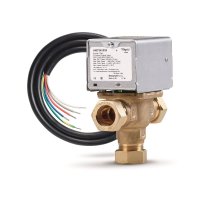
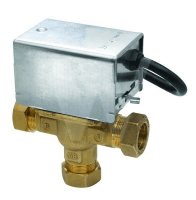
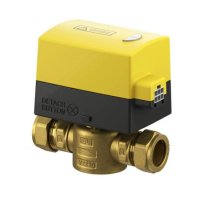
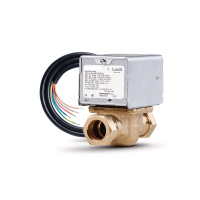
Motorised Valves

Heating Motorised Valves are electrically controlled valves used in central heating and hot water systems to regulate the flow of water, improving efficiency and enabling zoned heating control.

About Heating Motorised Valves

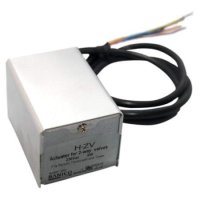
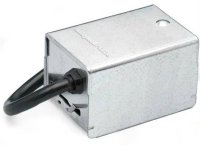
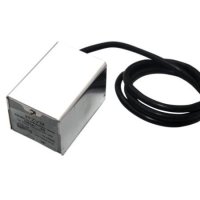
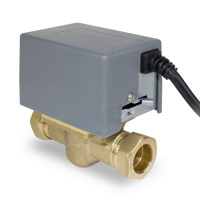
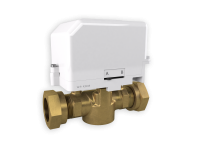
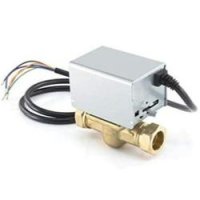
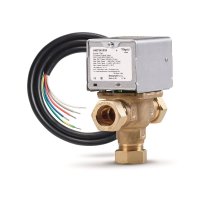
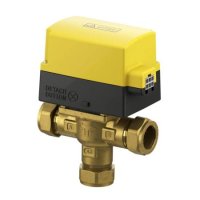
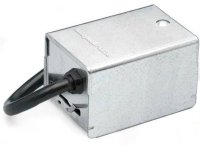
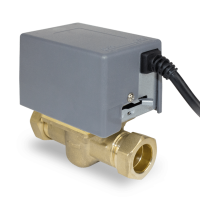
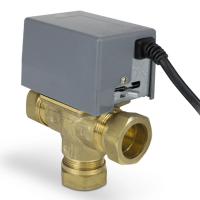
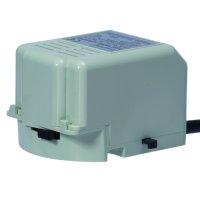
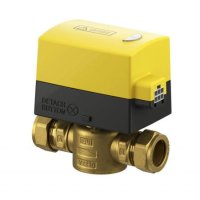
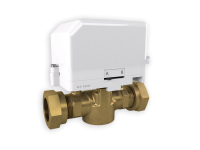
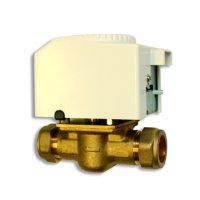
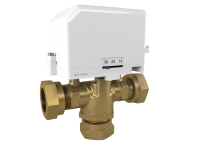
Heating motorised valves are used to control the flow of hot water between different heating circuits, such as radiators or hot water cylinders. They are commonly found in central heating systems with multiple zones or time/temperature-based control systems. These valves can be two-port or three-port, allowing flexibility in system design. They are actuated electrically and work in conjunction with thermostats and heating programmers to deliver precise heating management.

See more

Benefits

  • Efficient zone control: Enables heating of individual zones or areas in a property.
  • Energy-saving: Reduces wasted heat by directing flow only where needed.
  • Improved comfort: Provides precise temperature management in different areas.
  • Versatile system integration: Compatible with boilers, pumps, and heating controls.
  • Reliable operation: Motorised mechanism ensures consistent performance over time.

Applications

  • Domestic central heating systems with multiple heating zones.
  • Hot water cylinder connections for temperature-based flow control.
  • Commercial and multi-residential heating installations requiring advanced control.
  • New build or refurbishment projects incorporating energy-efficient heating systems.

Key Features

  • Available in two-port and three-port valve designs.
  • Electrically actuated for automated system control.
  • Compatible with most thermostats and heating programmers.
  • Manual override options for maintenance or emergency use.
  • Durable construction with corrosion-resistant materials.
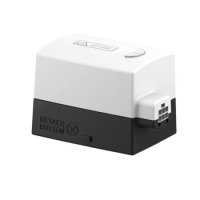
  • Clear actuator head for easy installation and servicing.

Performance & Maintenance

Install motorised valves according to manufacturer instructions, ensuring correct wiring to heating controls. Regularly inspect for smooth operation and test actuator performance. Replace worn components such as motors or actuator heads as necessary. Clean externally and ensure free movement of the valve to maintain optimal system efficiency.