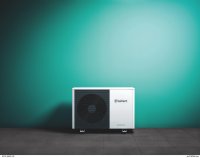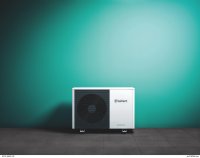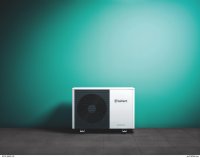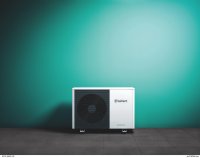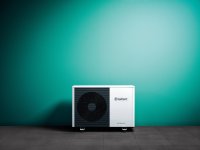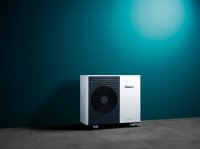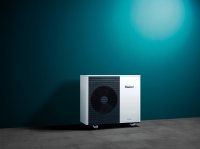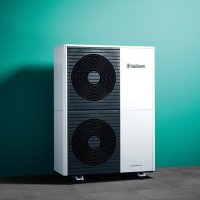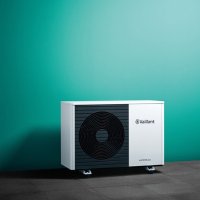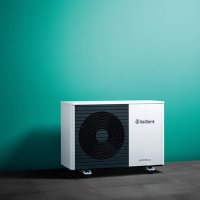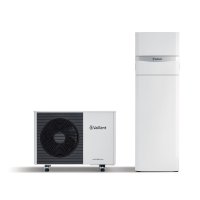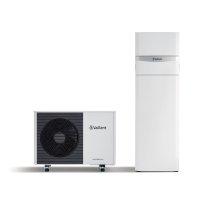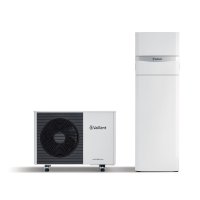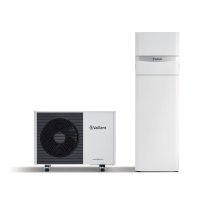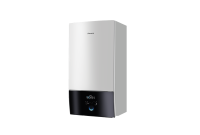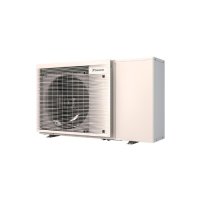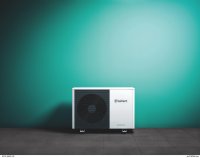
Heat Pumps

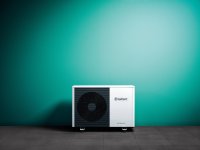
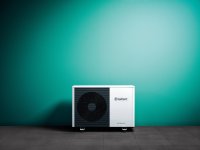
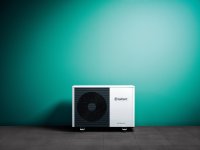
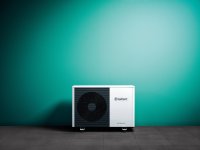
Heat Pumps are energy-efficient systems that transfer heat from external sources such as air, ground, or water to provide heating, cooling, and hot water, offering a sustainable alternative to traditional heating systems.

About Heat Pumps

Heat pumps work by extracting thermal energy from natural sources and upgrading it to a usable temperature for indoor heating or hot water. They are highly efficient, often delivering 3–4 units of heat for every unit of electricity consumed. Heat pumps are suitable for both domestic and commercial properties, supporting eco-friendly building projects and reducing carbon emissions compared to conventional boilers. They can integrate with radiators, underfloor heating, and hot water systems, and some models also provide cooling in warmer months.

See more

Benefits

  • High energy efficiency: Generates more heat than the electricity it consumes.
  • Eco-friendly: Reduces carbon footprint compared to fossil fuel heating.
  • Versatile: Provides space heating, cooling, and domestic hot water.
  • Long lifespan: Well-maintained units can last 15–20 years.
  • Smart integration: Compatible with smart thermostats and home automation systems.

Applications

  • Domestic heating and hot water systems.
  • Commercial buildings and light industrial applications.
  • New build homes focused on energy efficiency.
  • Retrofitted properties replacing conventional boilers.
  • Properties requiring both heating and cooling solutions.

Key Features

  • Air source, ground source, or water source heat pump configurations.
  • High-efficiency heat transfer via refrigerant cycles.
  • Integrated heating, cooling, and hot water control.
  • Compatibility with radiators, underfloor heating, and hot water cylinders.
  • Optional smart controls with remote access and scheduling.
  • Quiet operation and low maintenance requirements.

Performance & Maintenance

Installation must follow manufacturer guidelines, including positioning of external units and pipework. Regular maintenance includes cleaning filters, inspecting external components, checking refrigerant levels, and ensuring smart controls function correctly. Seasonal inspections are recommended to maintain peak efficiency, and settings should be reviewed periodically to match occupancy and seasonal temperature changes.