Power Flushing

Power Flushing is a professional method used to clean and maintain central heating systems by removing sludge, rust, and debris that accumulate over time. This process restores system efficiency, reduces energy costs, and prolongs the lifespan of boilers, radiators, and pipework.

About Power Flushing

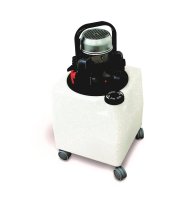
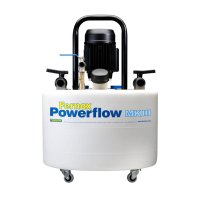
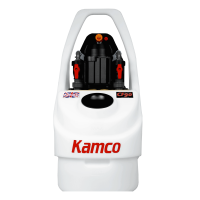
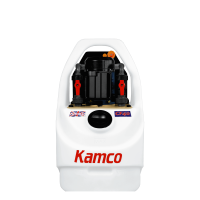
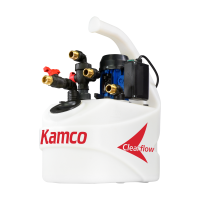
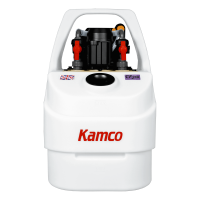
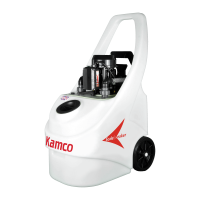
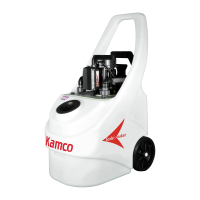
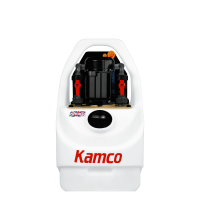
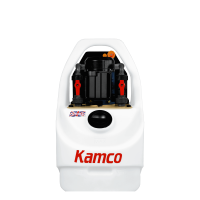
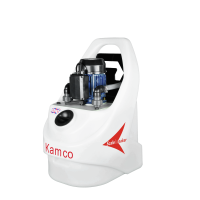
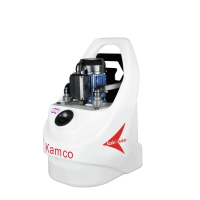
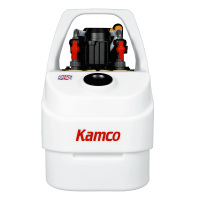
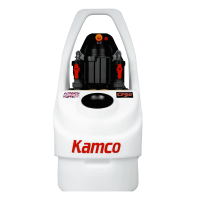
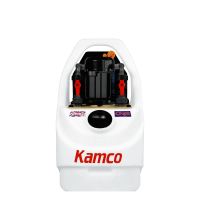
Power flushing involves connecting a specialized machine to the heating system, which circulates water and cleaning chemicals at high velocity to dislodge and flush out accumulated contaminants. This method is more thorough than standard flushing, ensuring radiators heat evenly and pumps operate efficiently. Power flushing is suitable for both domestic and commercial heating systems, including older installations and those showing signs of sludge buildup.

See more

Benefits

  • Restores heating efficiency: Ensures radiators heat evenly and quickly.
  • Reduces energy costs: Cleaner systems operate more efficiently.
  • Prolongs system life: Removes corrosive sludge and debris that cause damage.
  • Prevents breakdowns: Minimizes pump and boiler failure risks.
  • Improves water flow: Clears blockages in radiators and pipework.

Applications

  • Domestic central heating systems, especially older or neglected installations.
  • Commercial heating systems in offices, schools, and small industrial sites.
  • Boilers showing uneven heating, noisy operation, or reduced efficiency.
  • Maintenance programs to prevent corrosion, blockages, and costly repairs.
  • Preparation for installation of new boilers or heating upgrades.

Key Features

  • High-velocity water and chemical circulation to remove sludge, rust, and debris.
  • Compatible with both sealed and open-vented heating systems.
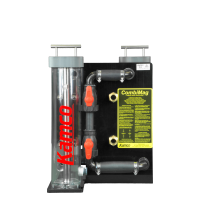
  • Can include magnetic filters to capture remaining particles.
  • Environmentally responsible chemical use with proper disposal of waste water.
  • Suitable for use on all standard pipe sizes and radiator types.

Usage & Technical Info

Power flushing should be performed by a qualified heating engineer using professional equipment. Connect the flushing machine to the system and circulate a cleaning chemical at the recommended flow rate. Flush until water runs clear, then neutralize and refill the system with treated water containing corrosion inhibitor. Test the system for leaks, proper operation, and pressure, following manufacturer and regulatory guidelines to ensure a safe and efficient heating system.