Frost Thermostat

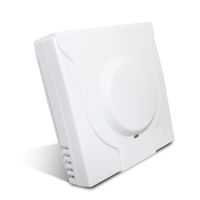
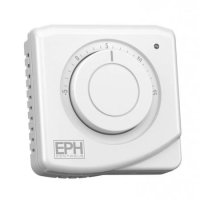
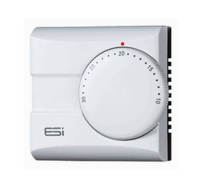
Frost Thermostat is a safety device designed to protect heating systems, water pipes, and buildings from freezing during cold weather by automatically activating heating when temperatures fall below a set threshold.

About Frost Thermostat

Frost thermostats monitor ambient temperatures and activate heating systems or pumps when temperatures approach freezing, preventing damage to pipes and property. They are commonly used in domestic and commercial heating systems, including central heating circuits, boilers, and underfloor heating systems. Frost thermostats are available in mechanical and electronic versions, offering reliable protection and energy efficiency.

See more

Benefits

  • Freeze protection: Activates heating to prevent frozen pipes and damage.
  • Energy efficient: Only operates when necessary, reducing energy waste.
  • Reliable operation: Protects domestic and commercial heating systems in extreme cold.
  • Easy installation: Can be fitted to existing heating systems or new installations.
  • Durable construction: Built to withstand cold environments and long-term use.

Applications

  • Domestic central heating and hot water systems.
  • Commercial buildings, offices, and industrial facilities requiring frost protection.
  • New build or refurbishment projects in regions prone to freezing temperatures.
  • Integration with boilers, underfloor heating, pumps, and pipework for complete frost protection.

Key Features

  • Mechanical or electronic frost sensing.
  • Automatic activation of heating when temperature drops below set threshold.
  • Compatible with boilers, pumps, and heating circuits.
  • Durable, corrosion-resistant materials for long-term reliability.
  • Simple installation and adjustment for domestic and commercial systems.
  • Prevents pipe bursts and damage caused by freezing conditions.

Performance & Maintenance

Install frost thermostats according to manufacturer instructions, ensuring correct positioning for accurate temperature detection. Test periodically to confirm operation and functionality. Clean and inspect the device as recommended, and replace if any signs of malfunction occur to maintain reliable freeze protection.