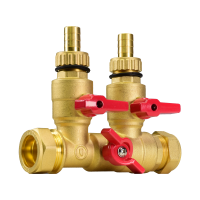
Water Quality Testing

Water Quality Testing provides accurate and reliable analysis of water in heating, cooling, and plumbing systems, ensuring safety, efficiency, and compliance with regulations.

About Water Quality Testing

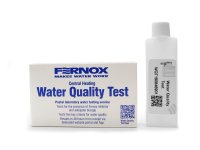
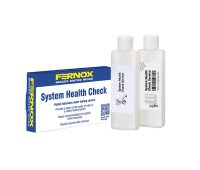
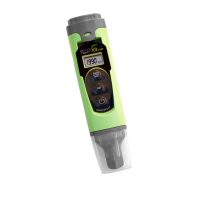
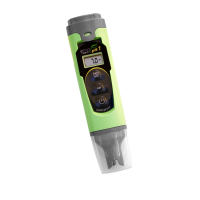
Water Quality Testing products are used to monitor the chemical composition of water in domestic and commercial systems. They detect impurities, pH levels, hardness, and the concentration of inhibitors or other chemicals. Regular testing ensures heating and cooling systems operate efficiently, prevents corrosion or scaling, and maintains compliance with industry and building standards.

See more

Benefits

  • Accurate monitoring: Provides precise information on water quality and chemical levels.
  • System protection: Helps prevent corrosion, limescale, and other water-related damage.
  • Compliance: Ensures systems meet industry standards and building regulations.
  • Efficient operation: Optimizes performance of heating and cooling systems.
  • Early detection: Identifies issues before they cause damage or inefficiency.

Applications

  • Domestic and commercial heating and cooling systems.
  • Central heating, hot water, and chilled water systems.
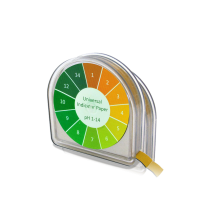
  • Testing water hardness, pH, and inhibitor concentration.
  • Preventive maintenance and troubleshooting for plumbing and HVAC systems.
  • New installations and retrofit projects requiring verified water quality.

Key Features

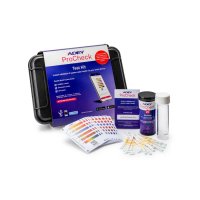
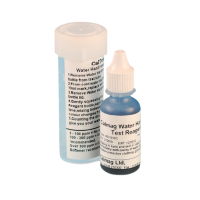
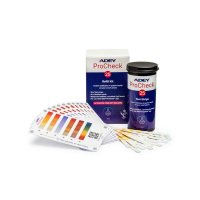
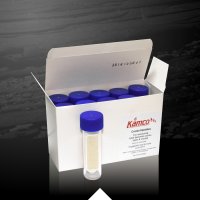
  • Easy-to-use test kits and reagents for accurate water analysis.
  • Measures pH, hardness, chlorine, and inhibitor levels.
  • Suitable for domestic and commercial applications.
  • Quick results for timely maintenance decisions.
  • Supports system efficiency, longevity, and compliance.
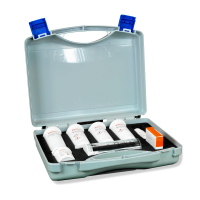
  • Compact and portable kits for on-site testing.

Performance & Maintenance

Use Water Quality Testing products according to manufacturer instructions, ensuring correct sampling and measurement procedures. Regular testing allows early detection of potential issues, accurate dosing of inhibitors, and maintenance of optimal system performance. Consistent water monitoring prolongs equipment life, improves efficiency, and ensures regulatory compliance.